
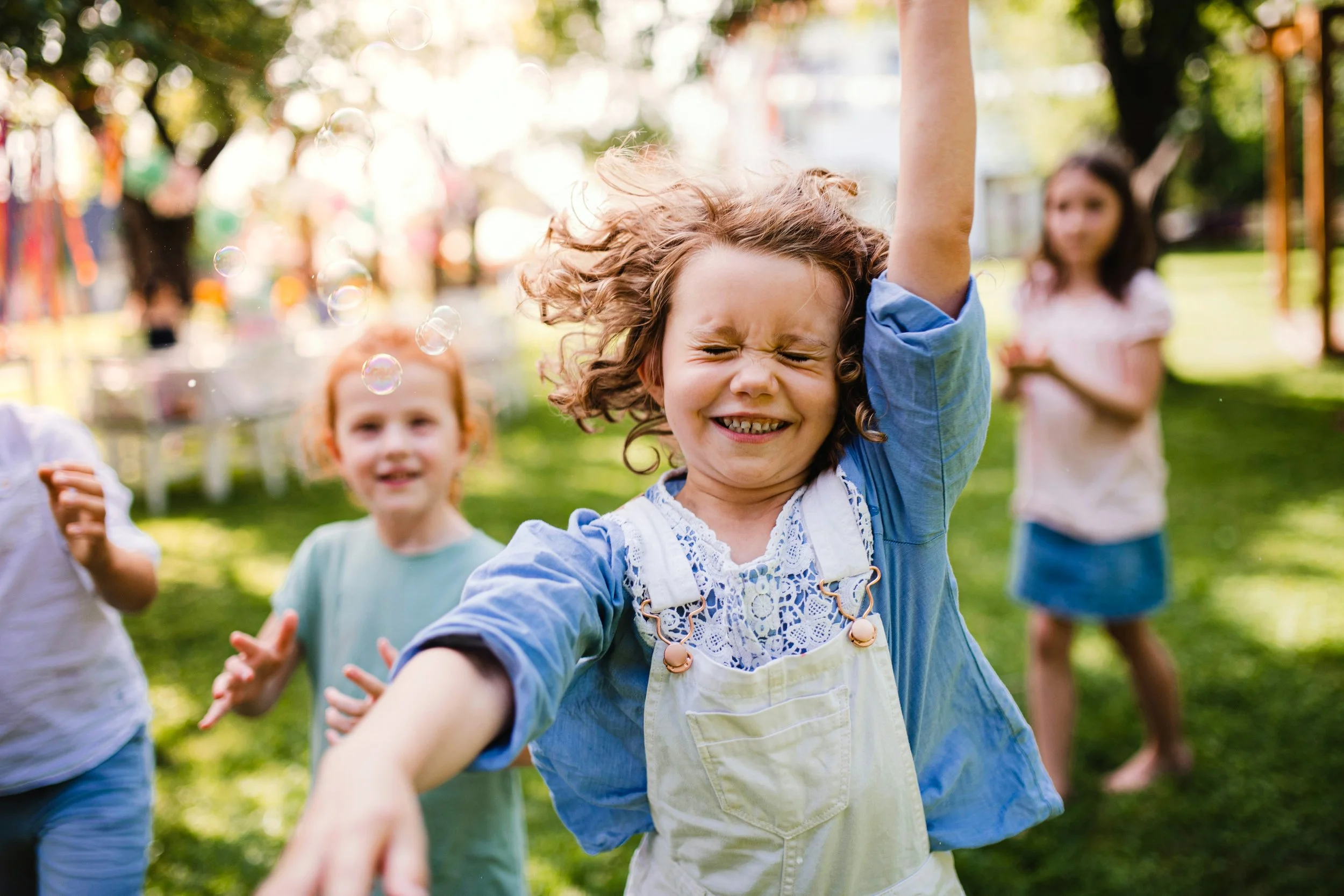
YIPPEEYAY
Scribblegiggle’s Art Party Playbooks
A digital art party guide with a clear plan, setup ideas, and curated supply links—designed to make hosting creative and easy.
Here’s a complete, polished web page you can copy and paste directly into your site. It’s written to feel intentional, premium, and reassuring to parents—without over-explaining or underselling the value.
Yippeeyay Art Party Playbooks
Thoughtfully designed art party plans you can host with ease.
Yippeeyay Art Party Playbooks are Scribblegiggle’s creative party experiences—designed for families who want a joyful, art-forward celebration without the overwhelm of planning, sourcing, or managing elaborate activities.
Each playbook offers a clear creative framework that makes hosting feel calm, confident, and doable, while leaving plenty of room for children to explore materials in their own way.
What is a Yippeeyay Art Party Playbook?
A Yippeeyay Art Party Playbook is a ready-to-host art party plan created to guide you through a creative celebration from start to finish.
Rather than a lesson plan or step-by-step craft, each playbook provides:
A simple, flexible party flow
Guidance on how to set up an inviting art space
Suggestions for introducing materials without over-directing
A curated supply list with buy links
Tips for pacing, transitions, and cleanup
The result is a party that feels intentional and joyful—without high cognitive load, excessive prep, or complicated cleanup.
What makes these playbooks different
Yippeeyay Art Party Playbooks are intentionally not a curriculum.
There is:
No expectation of a finished project
No “right” way for the art to look
No pressure to keep children on task
These playbooks are designed to support open-ended, process-focused creativity, where children can explore freely and hosts feel supported rather than overwhelmed.
How it works
Choose your Yippeeyay Art Party Playbook theme
Download the playbook and review the creative flow
Gather supplies using the included buy links
Set up your space using the suggested layout ideas
Host, celebrate, and enjoy
Each playbook can be reused and adapted for different ages, group sizes, and settings—indoors or outdoors.
What’s included in each playbook
Each Yippeeyay Art Party Playbook includes:
A themed art party plan
Suggested timing and party flow
Setup ideas for shared making
A curated materials list with direct purchase links
Hosting language and facilitation tips
Cleanup and transition guidance
Everything is designed to help you feel prepared—without overcomplicating the experience.
Choose from three ready-to-go themes
We currently offer three thoughtfully curated Yippeeyay Art Party Playbooks, each with a distinct creative focus and flexible structure.
(Theme descriptions can be listed here.)
More themes may be added seasonally.
Who these playbooks are for
Yippeeyay Art Party Playbooks are ideal for families who:
Want a creative birthday or celebration without full-party entertainment
Prefer open-ended art over themed crafts
Appreciate thoughtful design and simplicity
Want an experience that feels special but manageable
They’re well suited for children ages 3–7, with easy adaptations for younger or older guests.
A note on hosting
Yippeeyay Art Party Playbooks are host-led experiences. Caregivers guide the party using the provided plan and materials. No teaching experience is required—just a willingness to let children explore and create at their own pace.
Celebrate creatively
Yippeeyay Art Party Playbooks offer a calm, beautiful alternative to traditional party entertainment—centering creativity, curiosity, and connection, without the stress.
Frequently Asked Questions
Is this a class or a lesson plan?
No. Yippeeyay Art Party Playbooks are not classes, lesson plans, or step-by-step crafts. They offer a flexible creative framework that supports open-ended exploration rather than a specific outcome.
What ages are these playbooks designed for?
The playbooks are designed primarily for children ages 3–7, but they are easily adaptable for younger or older children depending on materials and group size.
Do I need art experience to host?
Not at all. Each playbook includes gentle guidance and hosting language designed to help caregivers feel confident facilitating creative time—no teaching or art background required.
What materials will I need?
Each playbook includes a curated materials list with direct buy links. Most items are simple art supplies or household materials, and there are no specialty tools required.
How much prep is involved?
Prep is intentionally light. The playbooks focus on simple setups and shared materials rather than elaborate stations or complex sensory bins. Most setup can be done shortly before the party begins.
Will every child make the same thing?
No. There is no expectation that children create identical work—or even complete a project. Each child explores materials in their own way, at their own pace.
How long does the art portion of the party last?
The creative portion is flexible, but most parties spend 30–45 minutes making, followed by free play, snacks, or cake. The playbook includes guidance on timing and transitions.
Can I use a playbook more than once?
Yes. Yippeeyay Art Party Playbooks are reusable and can be adapted for different group sizes, ages, and settings.
Is this suitable for indoor and outdoor parties?
Yes. Each playbook includes setup suggestions that work well indoors or outdoors.
Is this a digital product?
Yes. Yippeeyay Art Party Playbooks are delivered digitally so you can access them immediately and reuse them anytime.
Do you offer refunds?
Due to the nature of digital products, all sales are final. If you have questions before purchasing, we’re happy to help you choose the right playbook.
Yippeeyay ArtSy PARTY PlaybookS
Here’s what you’ll find in the guide…
Table of Contents
1. Welcome to Yippeeyay
A short, warm introduction to the experience
Reassurance that this is open-ended and pressure-free
A reminder that there’s no “right way” to host or create
One sentence on what makes this party different from craft parties
2. The Spirit of the Party
A brief explanation of the creative mindset for this theme
How to talk about the activity with kids (language to use + language to avoid)
Emphasis on process over product
Permission for kids to opt in, opt out, or move between activities
3. Party Flow at a Glance
Simple overview of how the party unfolds
Suggested timing blocks (arrival, making, transition, wrap-up)
Notes on flexibility (what can be shortened, skipped, or extended)
How this flow supports calm energy and shared making
4. Setting the Scene
Suggestions for where to host (indoor / outdoor / park / backyard)
How to arrange tables, floor space, or shared surfaces
Tips for creating an inviting setup without overdecorating
What actually matters vs what’s purely optional
5. Materials Overview
Gentle reminder: substitutions are welcome
How materials are meant to be shared, not individualized
Notes on portioning and minimizing waste
What to prep ahead vs what can stay loose
6. Materials List & Buy Links
Must-haves (core materials for the experience)
Nice-to-have (adds texture or variation, but optional)
Use what you have (household items, recyclables, nature finds)
Direct buy links (clearly labeled as examples, not requirements)
7. The Creative Invitation
How to introduce the activity to the group
What to say in the first 1–2 minutes
How to release control after materials are introduced
Encouragement to let children lead their own exploration
8. Supporting Different Makers
Tips for children who dive right in
Tips for children who observe first
Tips for children who move quickly or switch activities often
Reassurance that all engagement styles are valid
9. Letting the Party Evolve
How to notice when energy shifts
When to add or remove materials
How to follow children’s interests without redirecting
Signs it’s time to wrap up the making portion
10. Cleanup Without the Stress
How to frame cleanup as part of the experience
Simple strategies for quick, low-friction cleanup
What doesn’t need to be saved or documented
Permission to stop before everything is “done”
11. After the Making
Suggestions for transitioning to cake, snacks, or free play
How to talk about the experience afterward without praising outcomes
Optional reflection prompts for curious kids
12. Hosting Notes & FAQs
Common questions hosts have
What to do if something doesn’t go as planned
How to adapt for different group sizes
Reassurance that flexibility is part of the design
13. A Final Note
Encouragement and affirmation for the host
Reminder that creating the space is enough
Invitation to reuse the playbook again
How to use this across all three playbooks
Sections stay the same every time
Only these change by theme:
Materials
Setup examples
Creative invitation language
This keeps your creation process efficient and consistent
Parents quickly learn how to use your playbooks without relearning the format
If you want next, I can:
map which sections are ½ page vs full page
estimate total page count so it feels “worth it”
help you decide what’s text vs diagrams vs photos
or draft one full section (e.g., “The Creative Invitation”) in final voice
This structure is solid, scalable, and very on-brand for you.
know before you go
-
Our meetups and activities are designed for ages 3 to 6.
Younger or older siblings are absolutely welcome to tag along.
Please plan for materials to be provided only to 3 to 6 year olds who are registered to attend.
If you will not be attending, please notify us by email. -
Yes, you must register here and pay for seasonal meetup sessions prior to attending. This allows us to keep playgroup sizes close-knit and prep the best materials for activities.
-
Seasonal meetups are $165. This includes 7 sessions — 6 art club meetups on the lawn of the NC Museum of art and a freeplay-only playdate (no art on this day) at Downtown Cary Park. Costs cover all art materials and supplies as well as administrative expenses that keep the group running.
-
Sometimes a little, sometimes not at all. We keep things kid-friendly, mostly washable and manageable. That said, dress your child in clothes you don’t mind getting a little bit messy.
-
Yes, grown-ups stay and participate alongside their children. Scribblegiggle is a shared experience with caregivers.
-
Each meetup lasts about 60 minutes, maybe more if the kids keep at it on the playground.
We spend the first 5–10 minutes in storytime, then we explore our artsy activity for 20-30 minutes.
After that, the kids free play on the playground together until the fun fizzles.
-
We provide picnic blankets. You might also bring water, a snack, and whatever warm clothing layers the weather may call for to keep your child comfortable that day.
We handle all the art supplies as well as the setup and cleanup.
-
2026 meetups will take place primarily on the lawn of the NC Museum of art. Once each season, we will also meetup at Downtown Cary Park for a freeplay date.
Meetups may also occasionally be offered in surrounding areas. Exact locations are shared registration details and in the confirmation emails that follow. -
That is totally okay!
Scribblegiggle’s art setups are just fun invitations and community making.
Kids can explore the materials however they like, join in later, or simply observe.
Don’t stress if they’re not into it that day — it happens. And it’s just as normal for them to need a little support or encouragement from you.
-
All kids are welcome — quiet explorers, enthusiastic makers, sensory seekers, wiggle-worms. You name it. We keep the vibe relaxed and inclusive.
-
Small groups, usually 6–8 kids, so everyone has space to create and connect comfortably in a casual meetup setting.
-
We’ll reschedule or cancel depending on the weather and activity. Updates will go out the day before or by 8am the morning of the meetup.
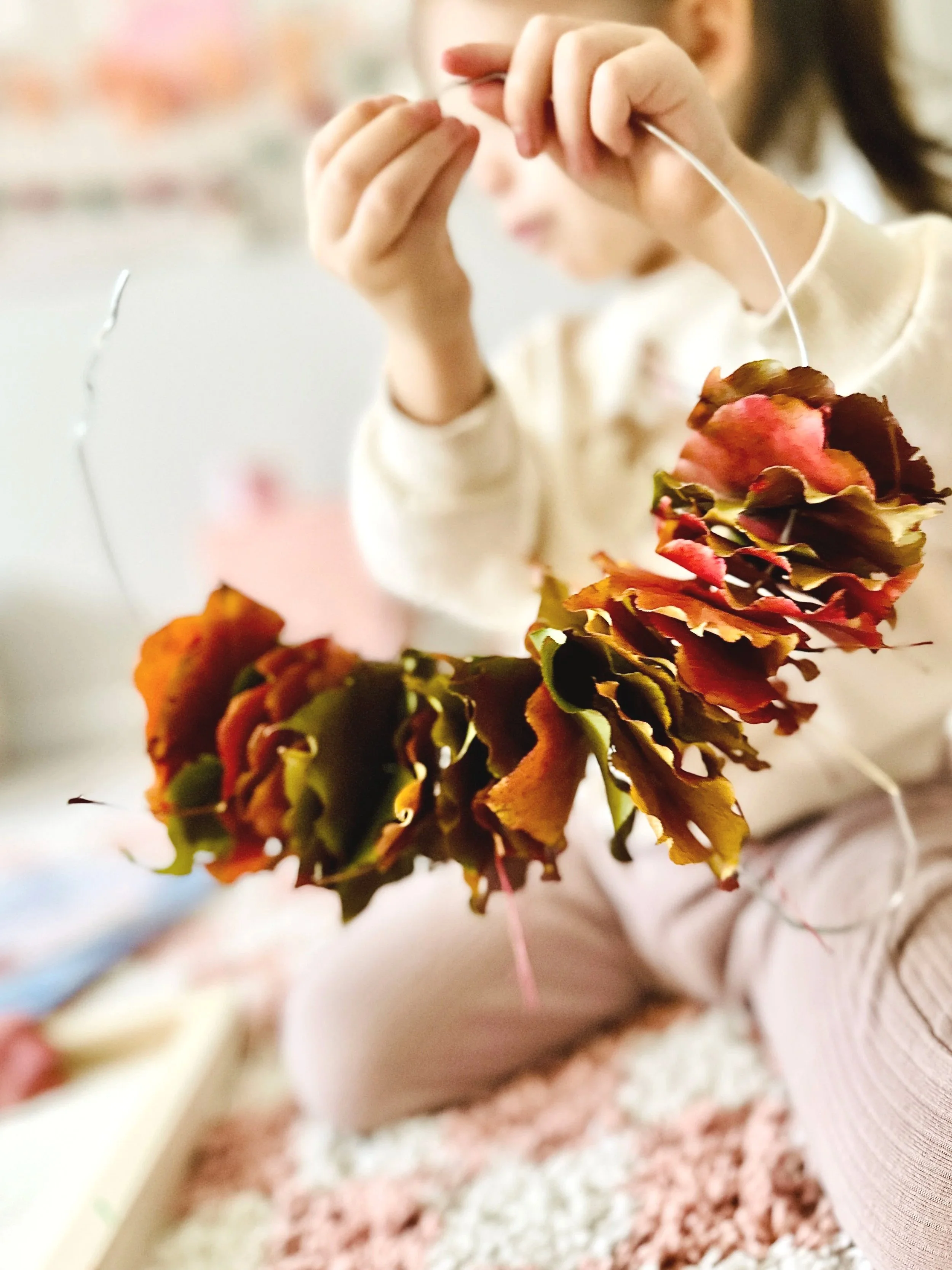
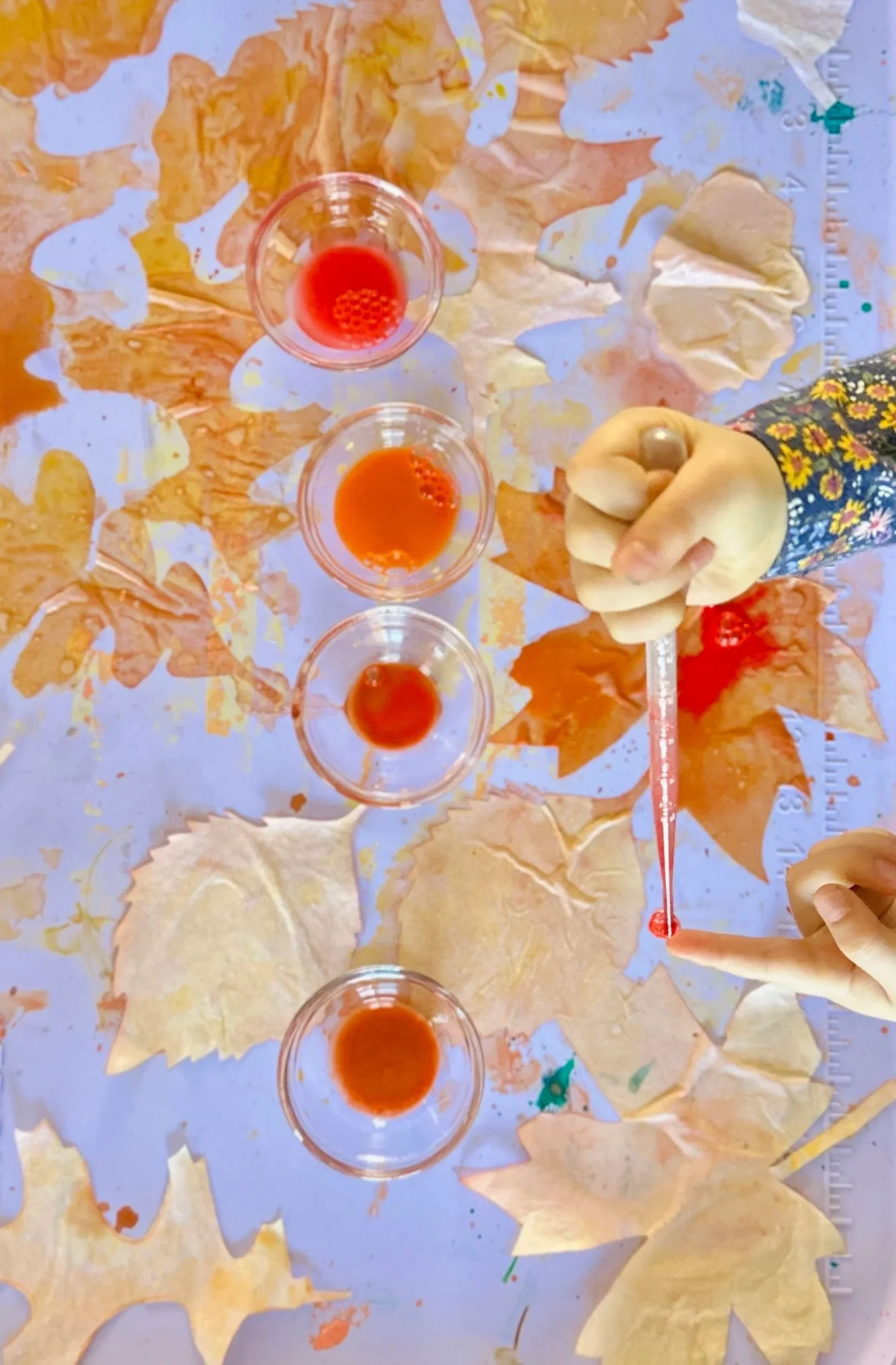
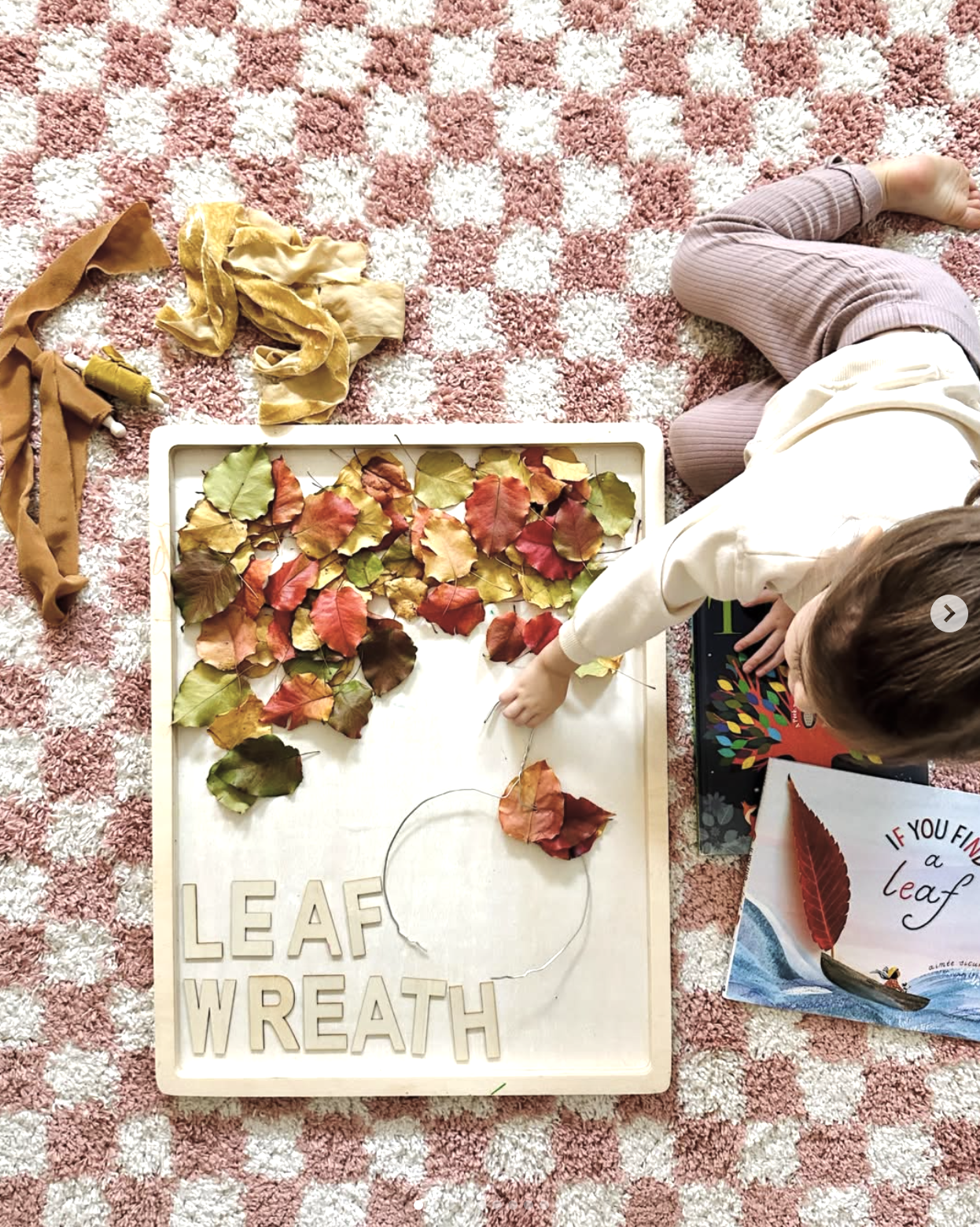
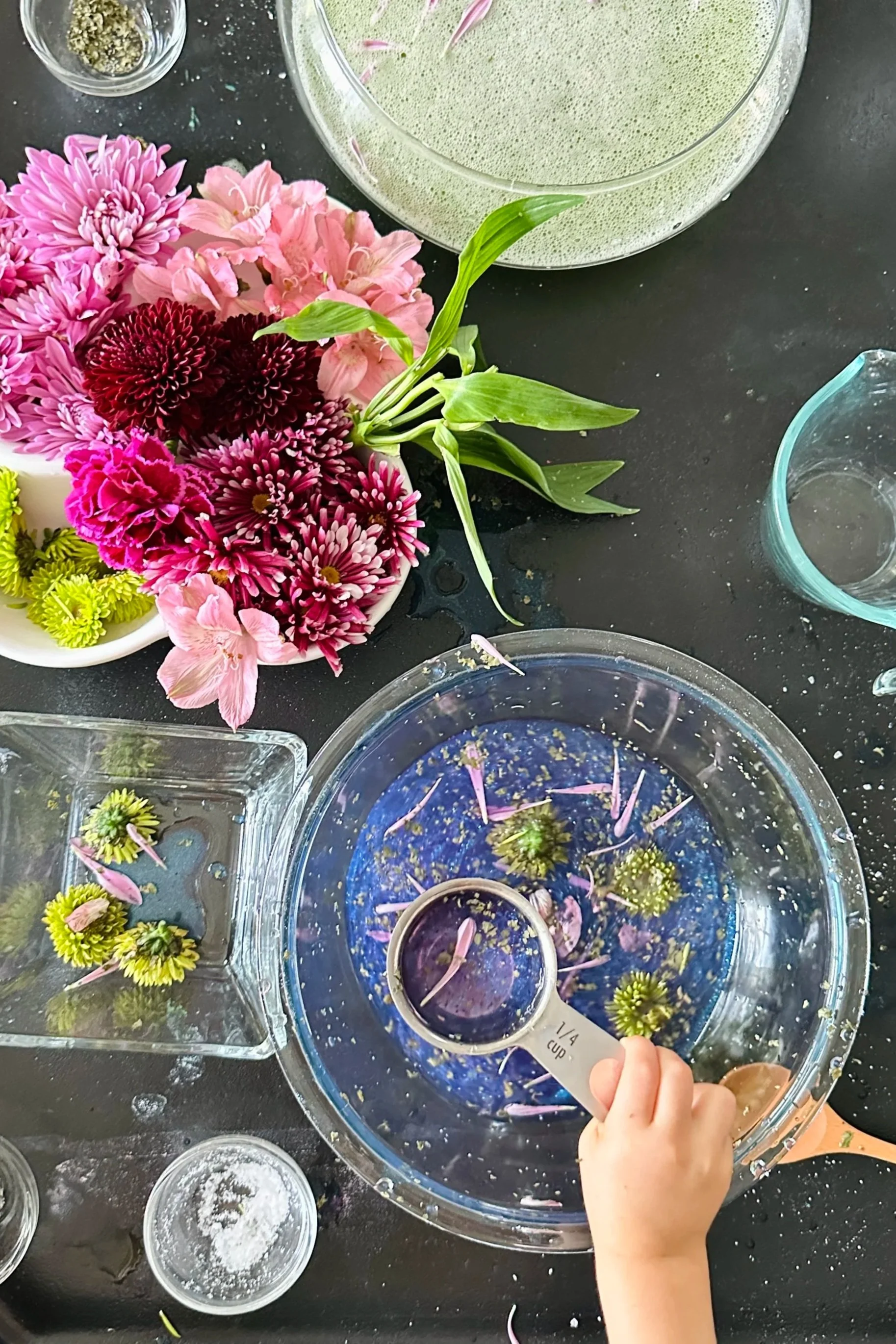
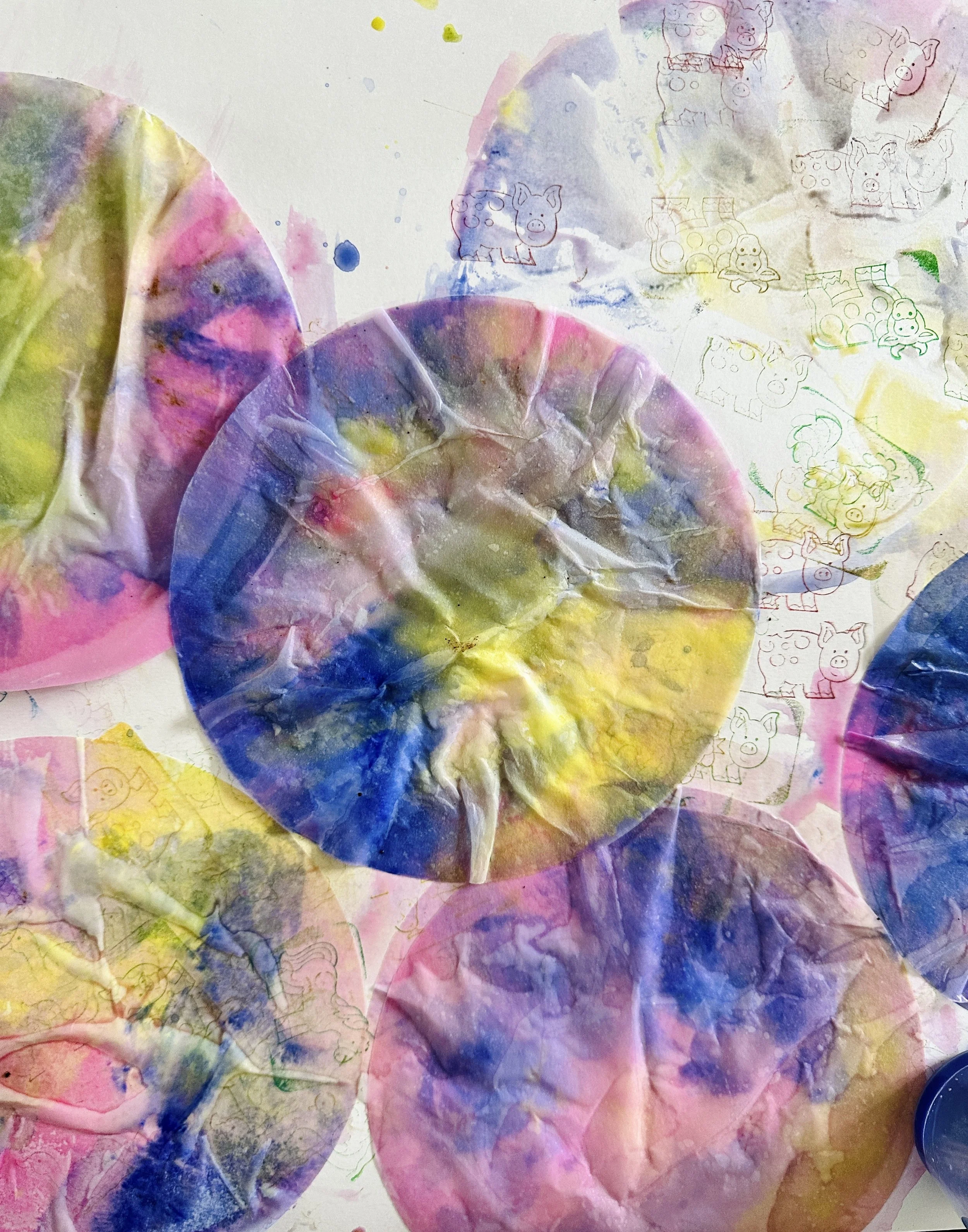
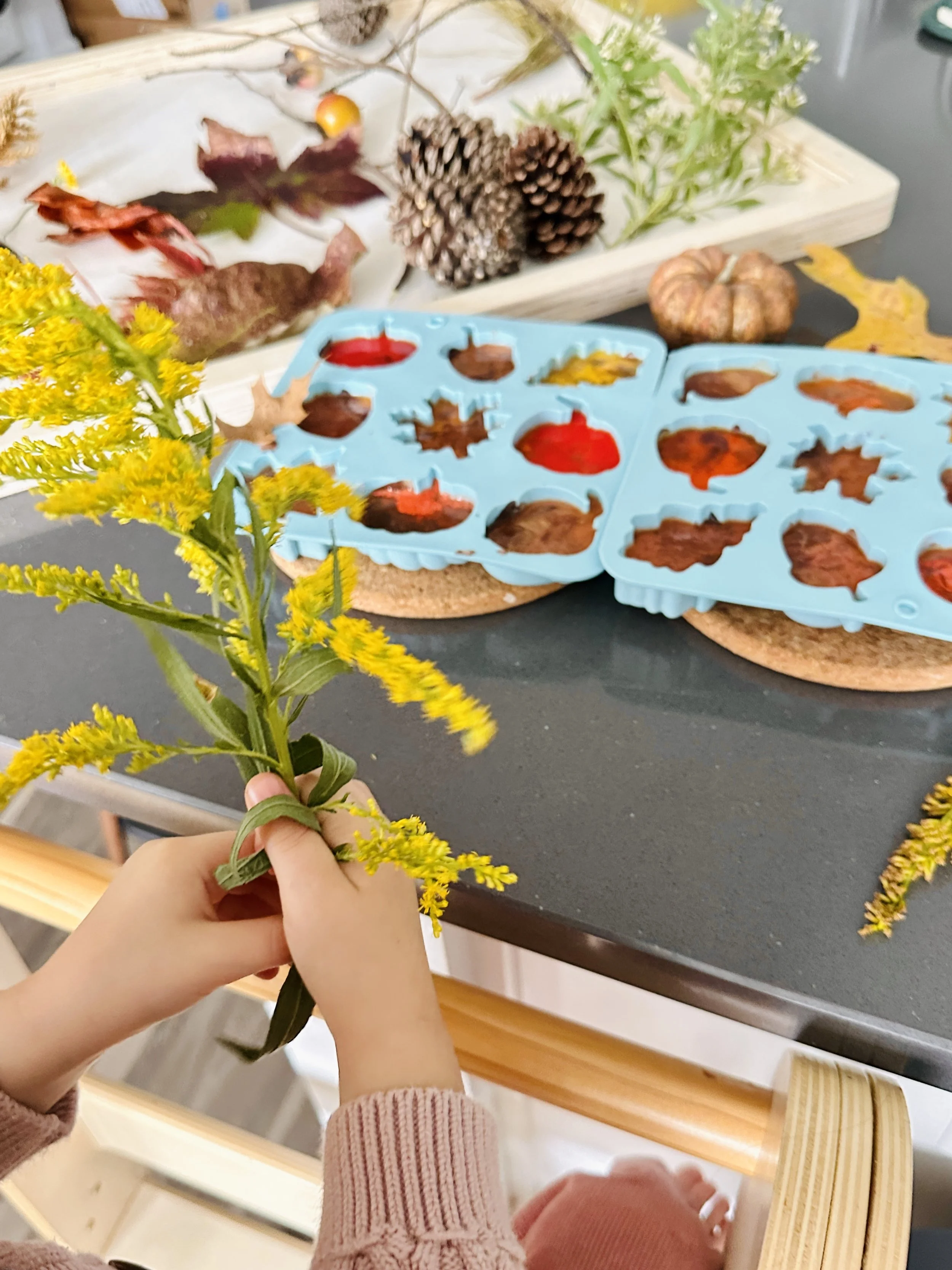
Wander into
our world
We’d love to see you at a meetup! Let’s make some magic together. Sign up to stay in the loop about our artsy adventures and upcoming experiences (and check out our private Facebook group here for more info, inspiration and discounts).
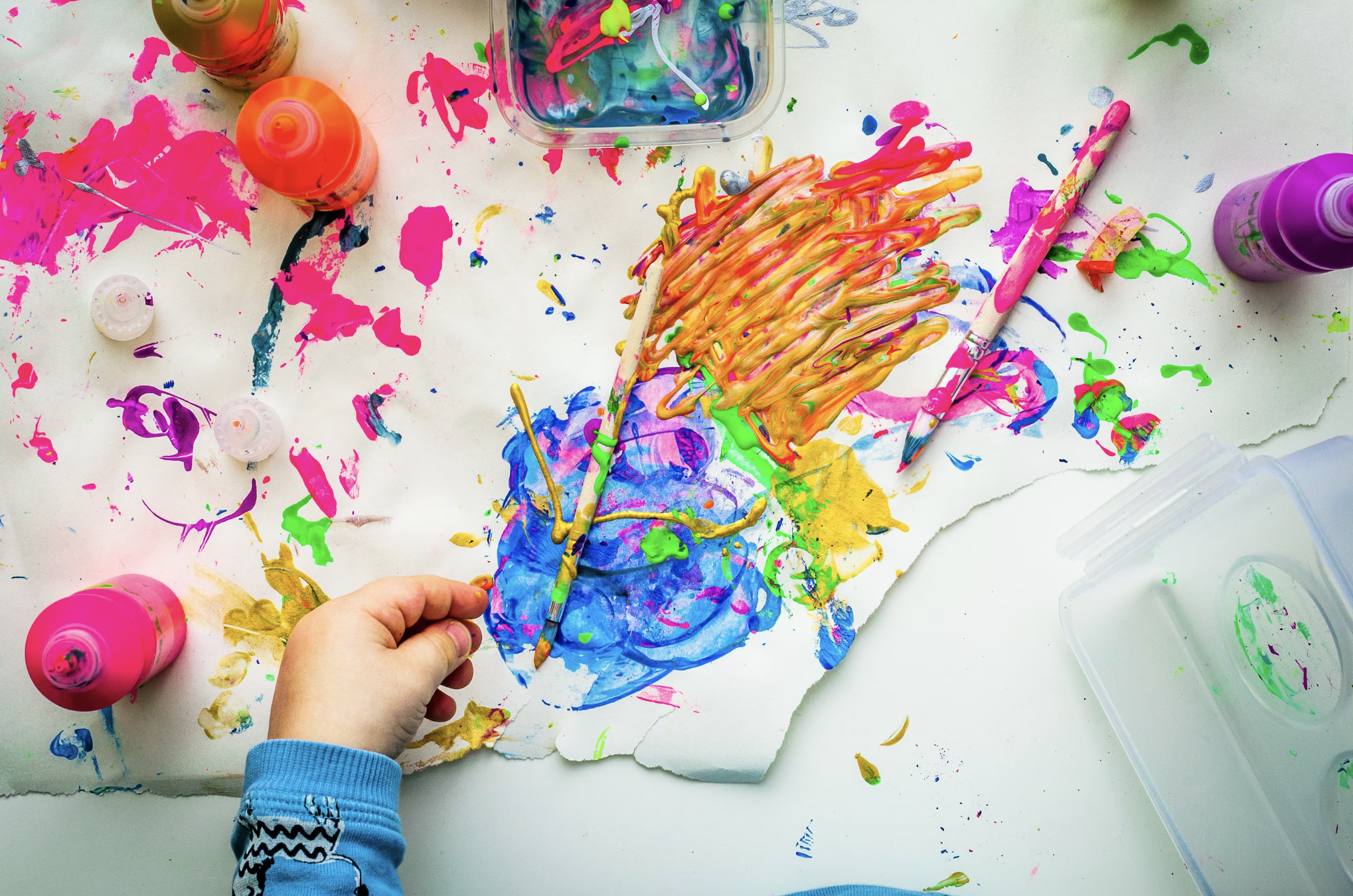
What little hands learn here
Here, little hands learn through discovering, pouring, swirling, sticking, shaping, scooping, sorting, and arranging. They build, imagine, trust their instincts, and explore freely through hands-on experimentation. Most importantly, they experience the joy of artsy adventures shared with friends.